
01 / 04
Economic basis
Preserve the unfinanced project case.
Use the EVALUATE cash flow, sources and uses, ownership and distributions as the reference case for every financing structure.
Ownership · Cash flow · Full distributions
Apply debt, equity and transaction terms to the project economics. Compare funding cost, dilution, control, covenants and downside before you agree to a structure.
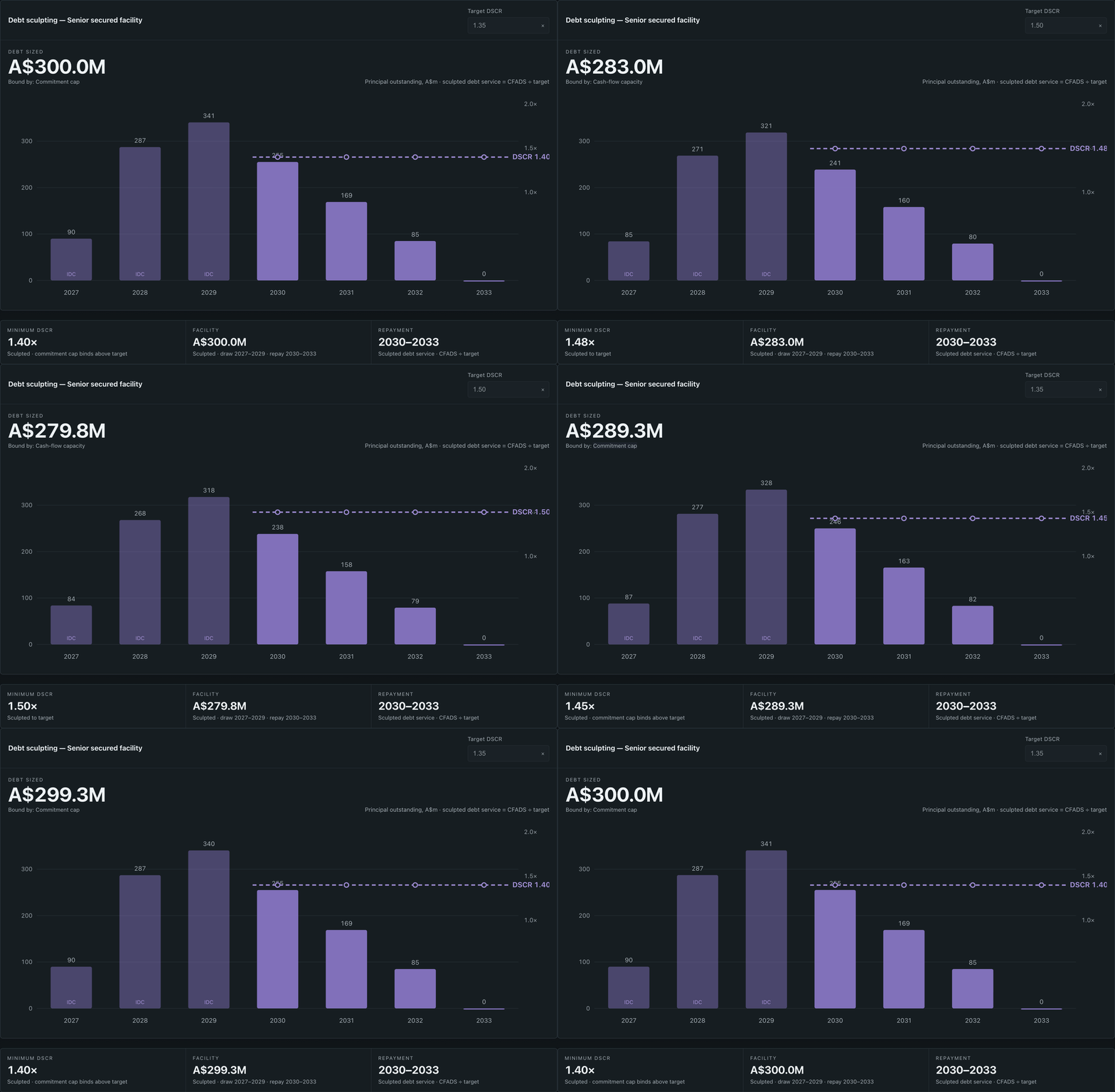
Product surfaces use representative project data — Marlin Deep, senior debt structure.
Financing basis
Apply each term sheet, equity proposal or ownership structure to the existing project case. Change the financing, not the project.

Financing workflow
Start with the unfinanced project, size the funding requirement, apply the terms and compare the ownership and downside outcomes.
Economic basis
Use the EVALUATE cash flow, sources and uses, ownership and distributions as the reference case for every financing structure.
Ownership · Cash flow · Full distributions
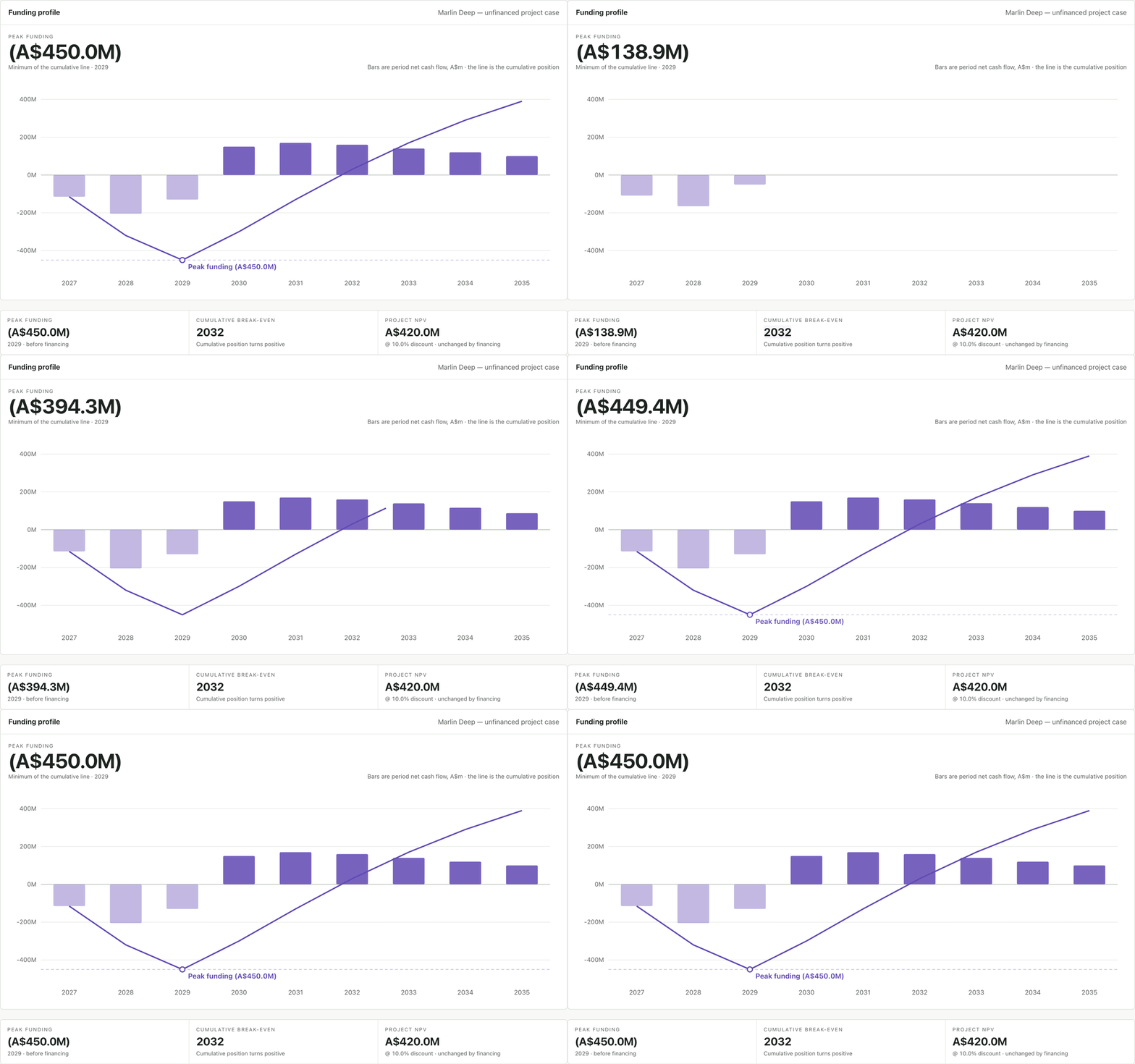
Funding requirement
Translate project cash flow into the timing and scale of the capital requirement.
Sources + uses · Draw timing · Liquidity gap · Peak funding
Financing structure
Model project and corporate debt, RBL, mezzanine, vendor or offtake-linked capital, equity, convertibles, royalties and streaming with their actual pricing, fees, draw conditions, amortisation, covenants and control terms.
Debt · Equity · Hybrids · Covenants · Amortisation · Control
Structure stress + transactions
Run each structure across the project distribution and compare all-in cost, dilution, control, covenant burden and funding shortfall. Use the same economics for farm-ins, farm-outs, stake sales and contingent consideration.
Covenant breach · Dilution · Farm-in · Farm-out · Stake pricing
Acquisitions + divestments
Model ownership, consideration and timing from both sides of the transaction: buyer’s ceiling, seller’s floor and retained value.
The maximum consideration that still meets the buyer’s return, funding and downside requirements.
The minimum value at which selling or farming down still creates value.
Value, exposure, funding relief and upside retained after the ownership change.
See CAPITAL in action
Book a 30-minute EVALUATE x CAPITAL demo. Bring the financing or transaction terms and compare the funding, ownership and downside outcomes.